
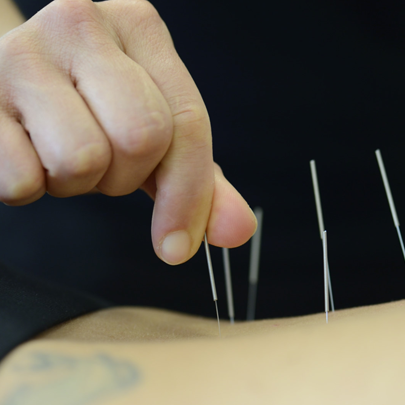
New to Acupuncture & Herbal Medicine?
This ancient form of medicine is a highly effective, affordable, low-risk treatment option for a multitude of health issues and chronic conditions. It is one of the most requested complementary and alternative medicine choices in the U.S. today.

Clean Needle Technique (CNT)
Both courses within the Clean Needle Technique Program are 100% online! The Council's full CNT course, the nationally recognized standard in acupuncture safety, is a requirement for NCCAOM certification and licensure in most states. The Council's CNT Review course can be completed for PDA/CEU credits for both the NCCAOM and California Acupuncture Board. Details about both courses and how to register can be found by clicking the "Learn More" button below.
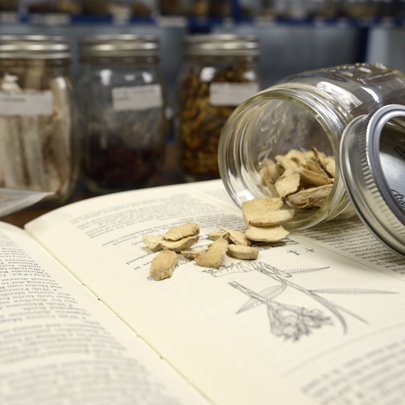
Find an Accredited College
Over 50 accredited & pre-accredited acupuncture & herbal medicine colleges in 22 states offer Master's and Doctorate degree programs. Accreditation status (by the ACAOM) represents the highest level of educational program quality assurance in the U.S.
Top News Headlines
.png)
CCAHM 2024 Spring Conference Schedule Now Available
The Council of Colleges of Acupuncture and Herbal Medicine (CCAHM) is pleased to announce that the 2024 Spring Conference will be held virtually from Monday, May 6, 2024, to Thursday, May 9, 2024. The comprehensive schedule is now available on our website, where attendees can also find updates on sessions, including those subject to time changes.

Kristin Richeimer, CAE Appointed as Executive Director for the Council of Colleges of Acupuncture and Herbal Medicine
[Centennial, Colorado] - The Council of Colleges of Acupuncture and Herbal Medicine (CCAHM) is pleased to announce the appointment of Kristin Richeimer, CAE, as its Executive Director, effective immediately. After serving as Interim Executive Director since the end of August 2023, Richeimer's permanent appointment ensures continuity and stability for the Council.
The AHM Coalition Townhall
The AHM Coalition is a collaboration of the four major national acupuncture organizations (ACAHM, ASA, CCAHM, and NCCAOM) to advance professional standards of acupuncture and herbal medicine through education, advocacy, and research. This town hall will provide why this coalition began, what the mission/vison/goals are, and what the focus will be for the immediate future and five years from now.
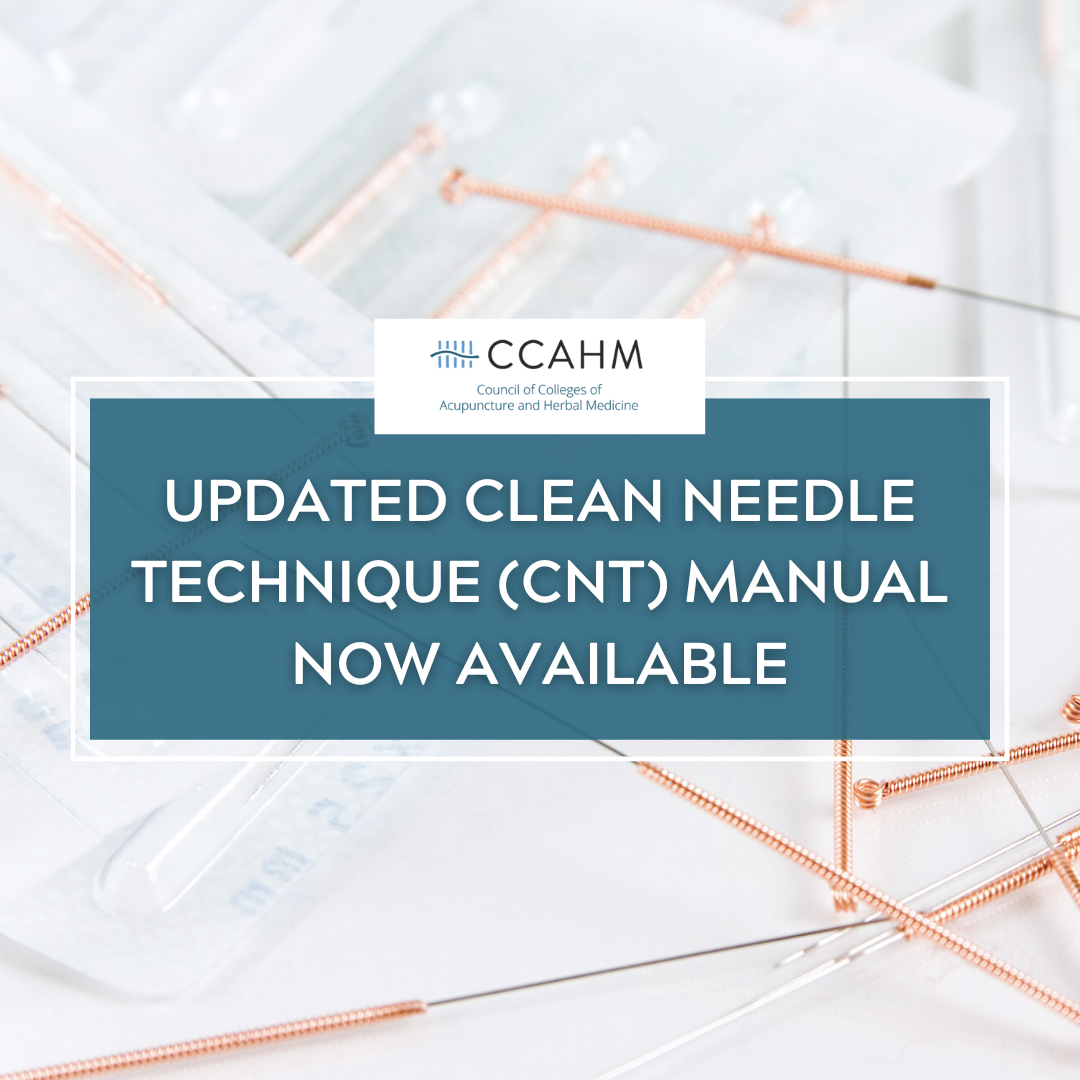
Council of Colleges of Acupuncture and Herbal Medicine Releases the Updated Clean Needle Technique Manual - 7th Edition
[Centennial, Colorado] - The Council of Colleges of Acupuncture and Herbal Medicine (CCAHM) is proud to announce the updated 7th Edition of the “Clean Needle Technique (CNT) Manual: Best Practices for Acupuncture Needle Safety and Related Procedures.” This latest edition represents the Council's ongoing commitment to promoting the highest standards of safety and professional practice in the field of acupuncture and herbal medicine.